
Choosing an Insurance Company: What Matters Before You Buy

A low premium can look great until you need to file a claim. That's when the fine print, service quality, and company strength stop being small details and start feeling like the whole story.
If you're trying to choose an insurance company, don't treat it like buying paper towels. Policies may look similar on the surface, but the wrong pick can cost you time, money, and peace of mind. Start with the parts that affect what happens after something goes wrong.
Check the company's license, stability, and track record
First, make sure the insurer is licensed in your state. That sounds basic, but it matters because state rules shape coverage, complaints, and consumer help. The Insurance Information Institute's guide to choosing an insurer also points to licensing as a core first step, and for good reason.
Next, look at financial strength. Insurance is a promise on paper. If a company struggles to pay claims after a storm, crash, or lawsuit, that promise gets shaky. Ratings from firms like AM Best can help you judge that risk. If you want a plain-language reference, review AM Best's rating guide before you compare brands.
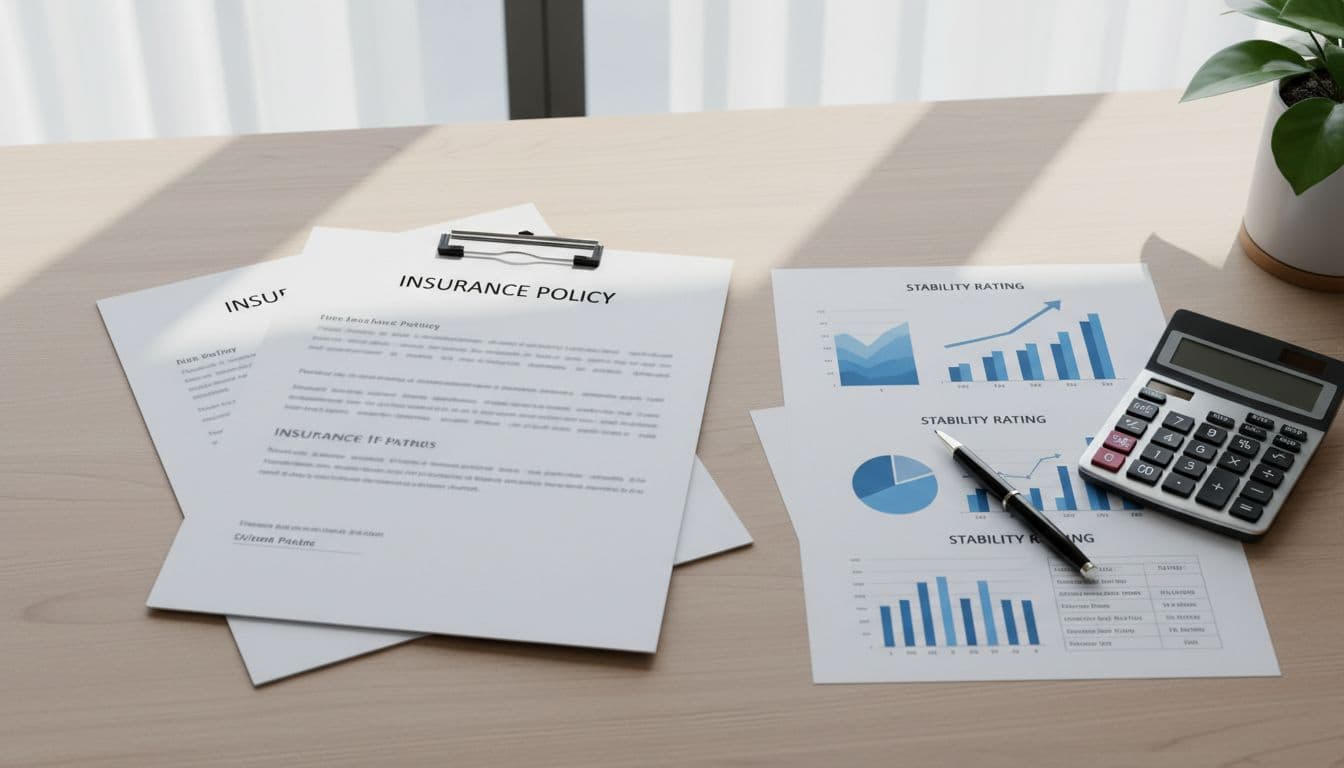
Then look beyond glossy ads. Search for complaint patterns, claim disputes, and cancellation issues in your state. One bad review isn't a red flag by itself. A repeated pattern is.
A cheap policy means little if the company makes payouts hard when you need help most.
It's also smart to ask how long the insurer has operated in your market. A newer name isn't always a bad choice, but a long local record can tell you more about how it handles real claims, not just sales calls.
Compare coverage before you compare price
Price matters, of course. Still, the lowest quote often wins by removing something. Maybe the deductible is much higher. Maybe rental car coverage is missing. Maybe water backup isn't included. That's why comparing insurers without matching coverage is like comparing houses by mortgage payment alone.
Start by deciding what you need protected. A single driver with an older car may want a different setup than a family with a newer SUV and teenage drivers. The same logic applies to homeowners, renters, life, and health coverage.

Before you compare quotes, line up the same basics. This quick table helps:
| Item to compare | Why it matters |
|---|---|
| Coverage limits | Higher limits can protect savings after a major loss |
| Deductible | A lower premium may mean more out of pocket later |
| Exclusions | Gaps often hide in what the policy does not cover |
| Discounts | Bundles, safe driving, and home security can cut cost |
| Add-ons | Roadside help, flood, umbrella, and rental coverage vary |
The takeaway is simple: compare equal coverage side by side.
When you shop, get at least three quotes and keep the limits identical. A guide on how to compare car insurance rates can help you avoid the apples-to-oranges trap. If you're bundling home and auto, don't assume one company automatically gives the best deal. Bundles can save money, but only if the coverage still fits your life.
Also read how renewals work. Some insurers raise rates sharply after a claim, a move, or even small changes in risk. Others are more stable over time. The first-year premium matters, but the second-year bill can tell a harder truth.
Claims service and support matter when life gets messy
Most people don't remember their insurer on a calm Tuesday. They remember it after a wreck, roof leak, or hospital bill. That's why claims handling should carry as much weight as price.
As of April 2026, full 2026 J.D. Power rankings aren't out yet. The latest available results from 2025 showed strong auto claims and shopping satisfaction for Erie, with NJM and Liberty Mutual also scoring well in claims. You can compare broader market picks through recent insurance company rankings from U.S. News, but rankings should support your research, not replace it.

Customer service is changing fast in 2026. Many insurers now use apps, chat, and AI tools to speed up routine work. That can be helpful when you want a quick status update. Still, people often want a human when the claim is stressful, large, or disputed. So ask a simple question: can you reach a real person without jumping through hoops?
Look for signs of a smooth claims process:
- Clear ways to file a claim, by app, phone, and online
- Fast updates without repeating your story every time
- Fair repair or provider networks
- Easy-to-read explanations of what is covered and what is not
This matters even more in health insurance for 2026. Subsidy changes and more high-deductible, HSA-eligible plan options may shift what looks affordable. In other words, don't judge a health insurer by premium alone. Check deductibles, doctor networks, drug coverage, and appeal support.
A good insurance company should feel like a sturdy roof, not a paper umbrella. You hope you won't need it, but you want real protection if the weather turns.
Choosing an insurance company comes down to one idea: buy for the claim, not the commercial. A fair price helps, but strong coverage, solid finances, and responsive support usually matter more when something goes wrong.
Before you sign, compare equal quotes, read the exclusions, and test the company's service. Your future self won't care who had the funniest ad. Trust is what pays off when life gets expensive.